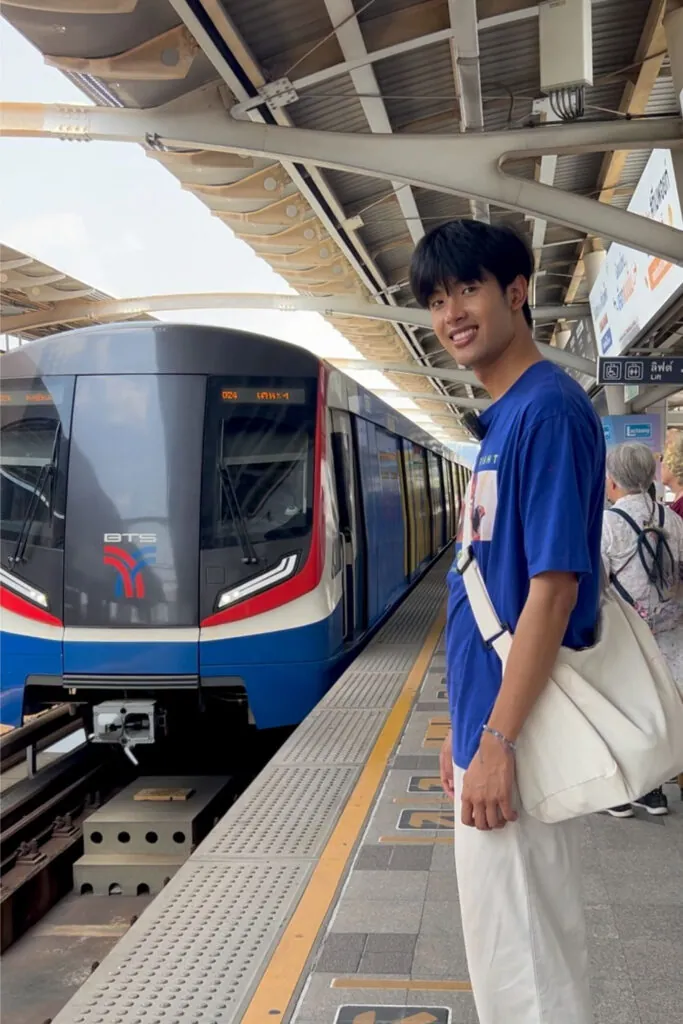
Summary:
- The BTS Skytrain is widely considered one of the best public transportation systems in Asia. For tourists, it’s incredibly convenient because it’s safe, clean, and connects directly to many of Bangkok’s most popular attractions, including shopping malls, markets, and cultural sites.
- The BTS One-Day Pass costs 150 THB (around 4.70 USD) and gives you unlimited travel from 6 am to midnight. It’s the perfect option for tourists who want to explore multiple neighborhoods and attractions in a single day without worrying about buying separate tickets.
- The BTS Skytrain also connects seamlessly to other forms of public transport, including the MRT subway, the Airport Rail Link to Suvarnabhumi Airport, and the Red Line commuter train to Don Mueang Airport. This makes it easy to move quickly in and out of the city while avoiding traffic.
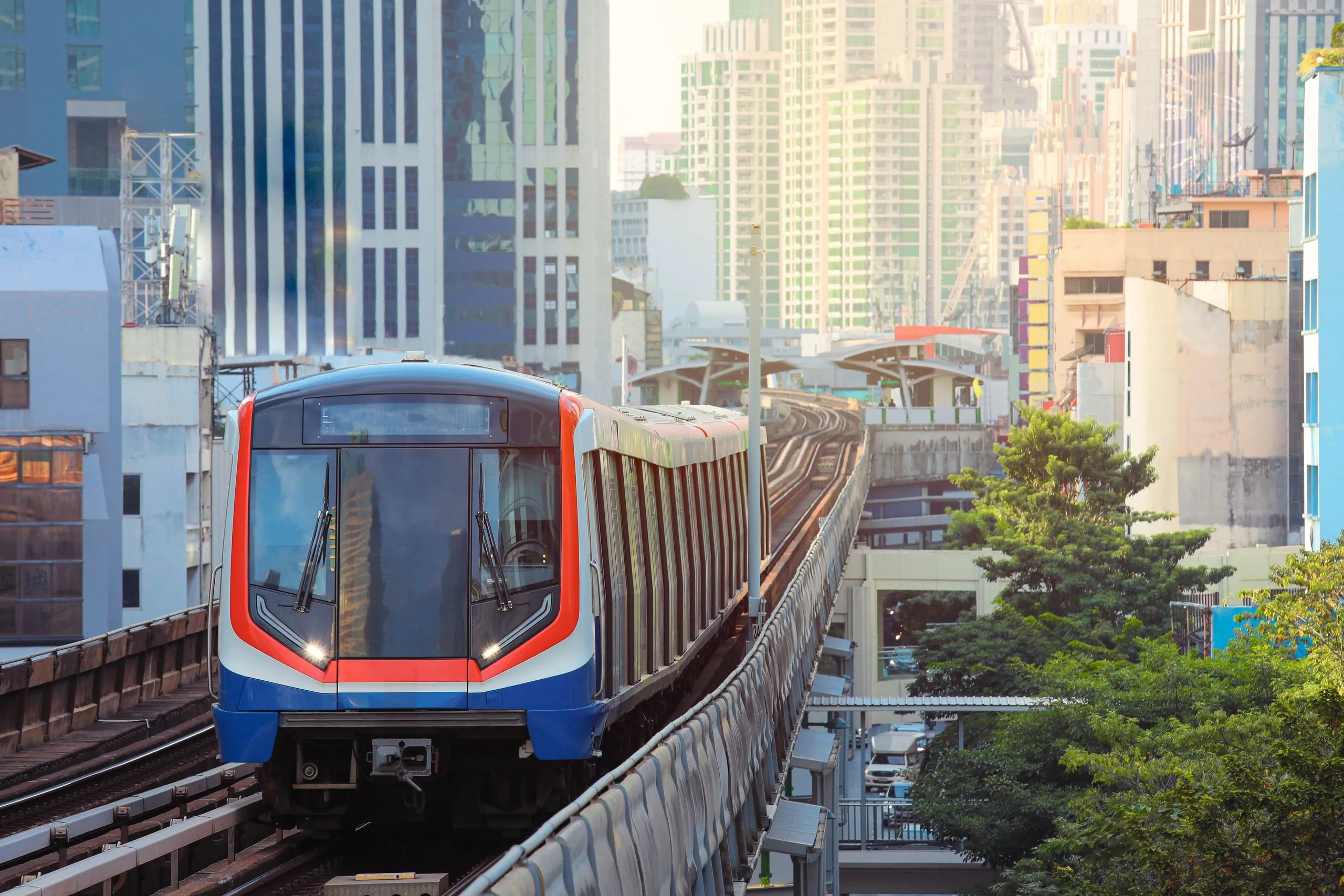
If you’re planning to visit Bangkok, the BTS Skytrain should be your best friend. Known as one of the most modern and efficient public transportation systems in Asia, it’s the smartest way to skip the infamous traffic and explore the city. The Skytrain is clean, safe, fast, and tourist-friendly, making it perfect for first-time visitors. This guide will show you everything you need to know about how to use BTS in Bangkok, from buying tickets to choosing the right routes.
What is the BTS Skytrain?
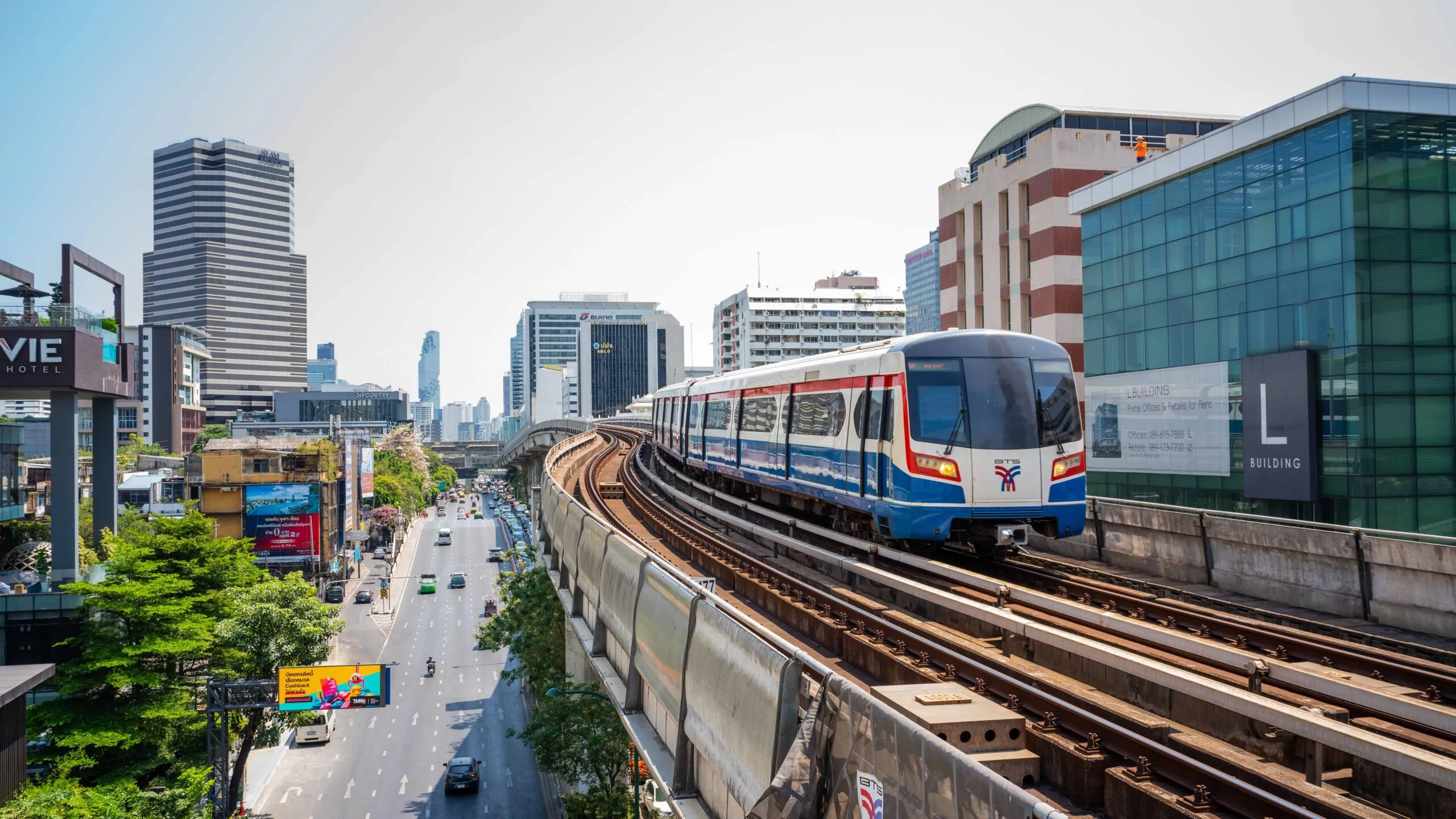
The BTS Skytrain in Bangkok is often the first choice for tourists because it makes exploring the city simple, stress-free, and affordable. Instead of spending hours in Bangkok’s heavy traffic, travelers can hop on the Skytrain and reach major attractions, shopping malls, and nightlife spots in minutes. The system is modern, clean, and safe, with English signs and announcements that make it easy for first-time visitors to navigate. Tickets are cheap, the trains run frequently, and the network connects seamlessly with other transport like the MRT subway and the Airport Rail Link. For tourists who want to save time, money, and energy, the BTS Skytrain is the smartest way to see Bangkok.
Why is BTS Good for Tourists?
- Fast and efficient: Beat Bangkok’s traffic and move quickly across the city.
- Safe and comfortable: Clean trains, air-conditioning, and CCTV security.
- Budget-friendly: Single rides start from just 16 THB, plus day passes for unlimited travel.
- Tourist-friendly: English maps, clear signage, and easy-to-use ticket machines.
- Well-connected: Links to shopping malls, markets, business districts, and river boats.
- Reliable schedule: Frequent trains running from early morning until midnight.
BTS Skytrain Map & Routes
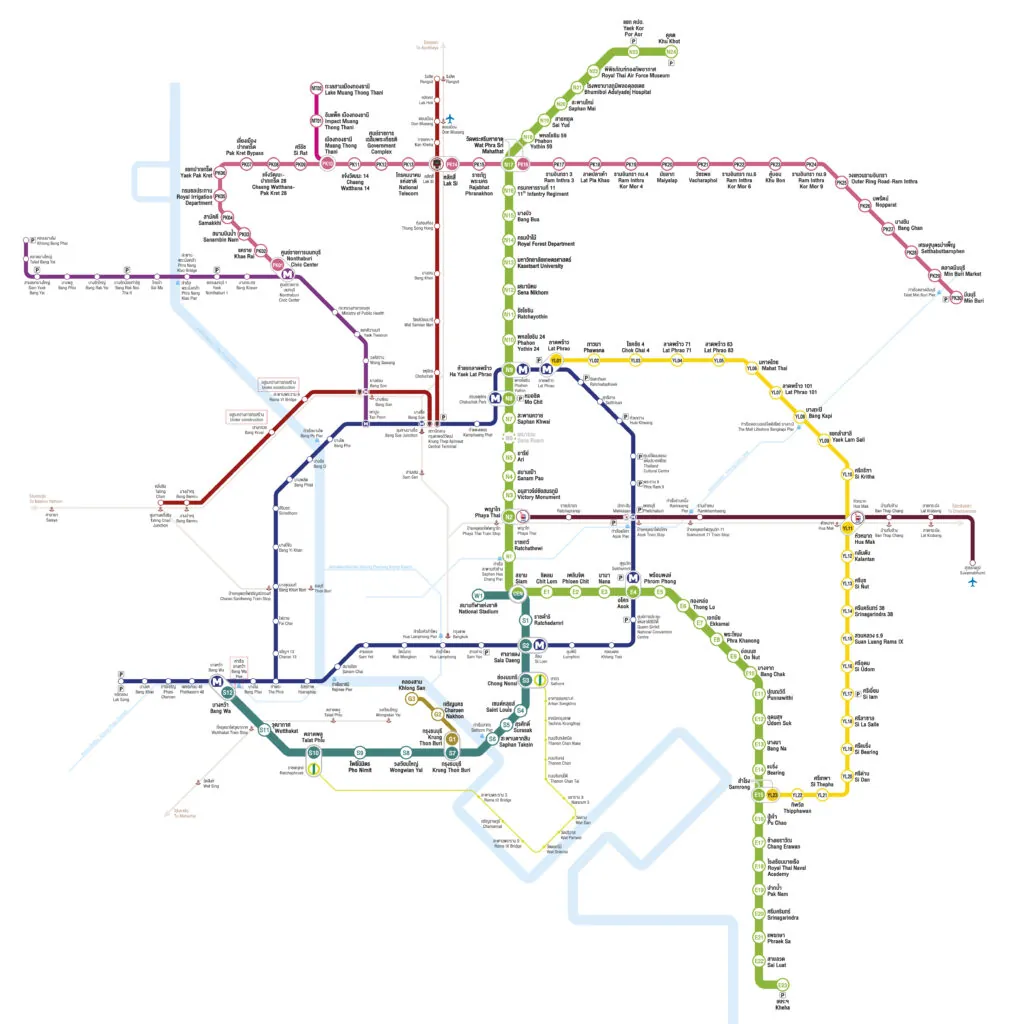
The BTS Skytrain map covers the most important areas of Bangkok, making it easy for tourists to move between shopping malls, markets, business centers, and cultural attractions. The system has two main lines—the Sukhumvit Line and the Silom Line—plus the smaller Gold Line near the river. Together, these routes connect with the MRT subway and the Airport Rail Link, so travelers can reach almost anywhere in the city without needing a car or taxi. The most important hub is Siam Station, where both lines meet, making it the central point for transfers and shopping.
BTS Skytrain Routes for Tourists
- Sukhumvit Line (Light green): Runs from Mo Chit Station (near Chatuchak Market and Mo Chit Bus Terminal) down to Kheha Station in Samut Prakan. Key stops include Asok (Terminal 21 mall), Phrom Phong (EmQuartier and Emporium), and Siam (shopping hub).
- Silom Line (Dark green): Runs from Bang Wa Station in the west to National Stadium Station. Highlights include Sala Daeng (Silom nightlife), Chong Nonsi (Business district), and Saphan Taksin (Chao Phraya River boats to Wat Arun and the Grand Palace).
- Gold Line: A short automated line that connects Krung Thonburi BTS Station to ICONSIAM, Bangkok’s luxury riverside mall.
How to Get to the Airport Using the BTS
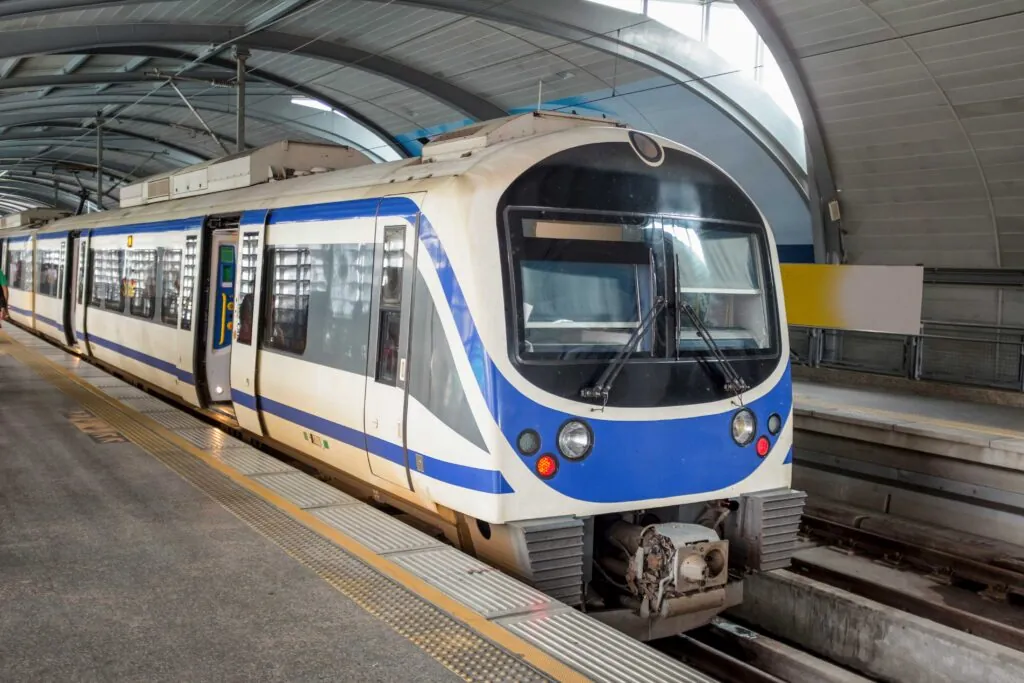
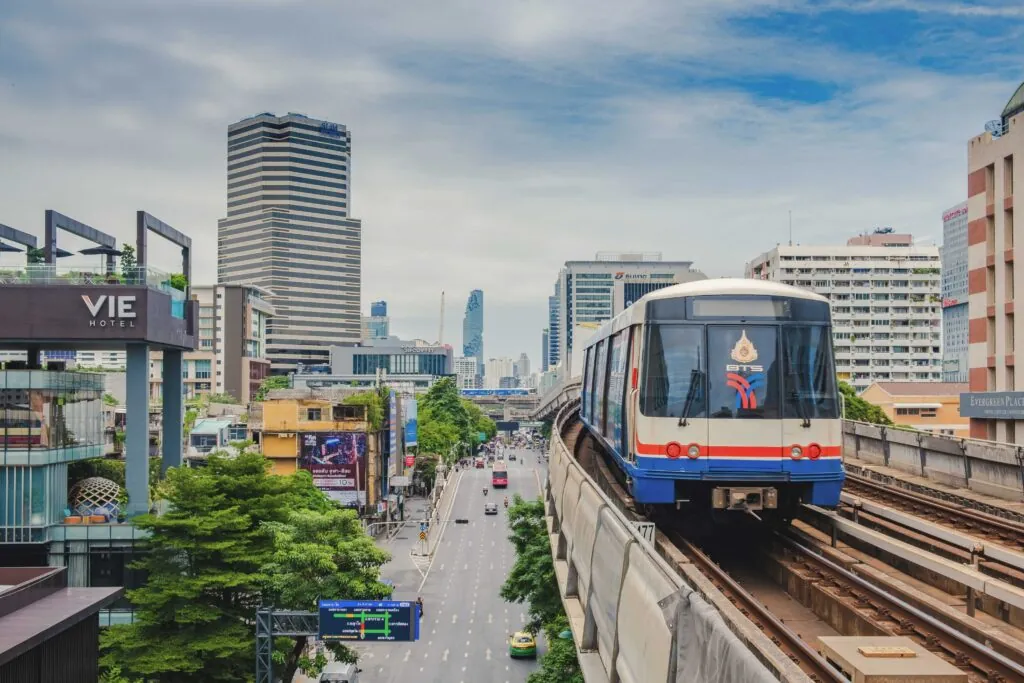
The BTS Skytrain connects with other train lines that make reaching Bangkok’s airports simple. From Suvarnabhumi Airport, take the Airport Rail Link directly to Phaya Thai Station, where you can transfer to the BTS Sukhumvit Line. From Don Mueang Airport, ride the SRT Red Line to Bang Sue Grand Station, then connect to the MRT and transfer onto the BTS. These routes are reliable ways to reach both airports without worrying about traffic delays.
How to Buy BTS Tickets, Fares & Prices
Buying a ticket for the Bangkok BTS Skytrain is simple and designed to be tourist-friendly. Whether you’re riding just once or planning a full day of sightseeing, there are several easy options. Stations have ticket machines and counters with staff who can help, and all instructions are available in English. For frequent travelers, getting a prepaid card makes the journey even smoother.
Ticket Options on the BTS Skytrain
- Purchase one at the ticket machine by selecting your destination. You’ll receive a black token, which you tap at the gate to enter and insert when exiting. Single ride fares range from 16 – 59 THB, depending on distance.
- One-Day Pass: Unlimited rides for one day, costing 150 THB. Great for sightseeing if you plan to hop between attractions.
- The Rabbit Card: A rechargeable smart card that makes traveling on the BTS Skytrain easier by saving time and avoiding long queues at ticket machines. Foreign tourists must present their passports when purchasing a ticket at a ticket counter. The card costs 100 THB plus additional top-up credit.
BTS Operating Hours
The BTS Skytrain operating hours are from 6 am to midnight every day. Trains run every 3 – 5 minutes during peak hours and every 5 – 10 minutes during late evenings. Perfect if you’re exploring Bangkok’s nightlife or starting early for a temple tour.
BTS vs MRT in Bangkok
Tourists often compare BTS vs MRT. The BTS network runs entirely above ground, while the MRT has some parts of its network underground. Both are modern, clean, and have clear English signs. The BTS is better for reaching shopping malls and tourist areas, while the MRT is useful for Chinatown, Chatuchak, and newer parts of the city. Together, they cover almost everywhere you’d want to go.
FAQs about BTS Skytrain
Not directly. The BTS doesn’t go straight to Suvarnabhumi Airport, but you can easily transfer at Phaya Thai Station to the Airport Rail Link. If you’re flying into Don Mueang Airport, take the BTS to Mo Chit Station and transfer to a bus or taxi.
Yes — It’s one of the safest ways to travel in Bangkok. Stations are monitored and signs are in English.
Use a ticket machine for a single journey card, or buy a One-Day pass for convenience.
Siam (shopping), Asok (Terminal 21 mall), Mo Chit (Chatuchak Market), and Saphan Taksin (river boats).
Yes — For example, hop off at Saphan Taksin and take a boat along the Chao Phraya River to the Grand Palace or Wat Arun.
Nope — eating and drinking are not allowed on the BTS Skytrain or inside the stations. This rule keeps the trains clean, comfortable, and pleasant for everyone. If you’re carrying drinks, make sure they’re sealed (like a bottle with a cap), otherwise staff may ask you to finish it before entering.