Bangkok traffic is legendary, and not always in a good way. What looks like a quick fifteen minute drive on the map can suddenly turn into an hour of slowly moving cars under the afternoon heat. That is exactly why Bangkok’s train system has become the city’s survival guide, especially for tourists trying to explore as much as possible without losing half the day in traffic.
The good news is that Bangkok’s rail network is actually far easier to use than many first time visitors expect. Between the BTS Skytrain, MRT subway, Airport Rail Link, and newer suburban lines, travelers can move across most major tourist zones quickly, affordably, and comfortably. From luxury malls and rooftop bars to temples, night markets, and Chinatown food streets, the train system connects many of the city’s biggest highlights without the chaos of sitting inside a taxi during rush hour.
Understanding Bangkok’s Train Network
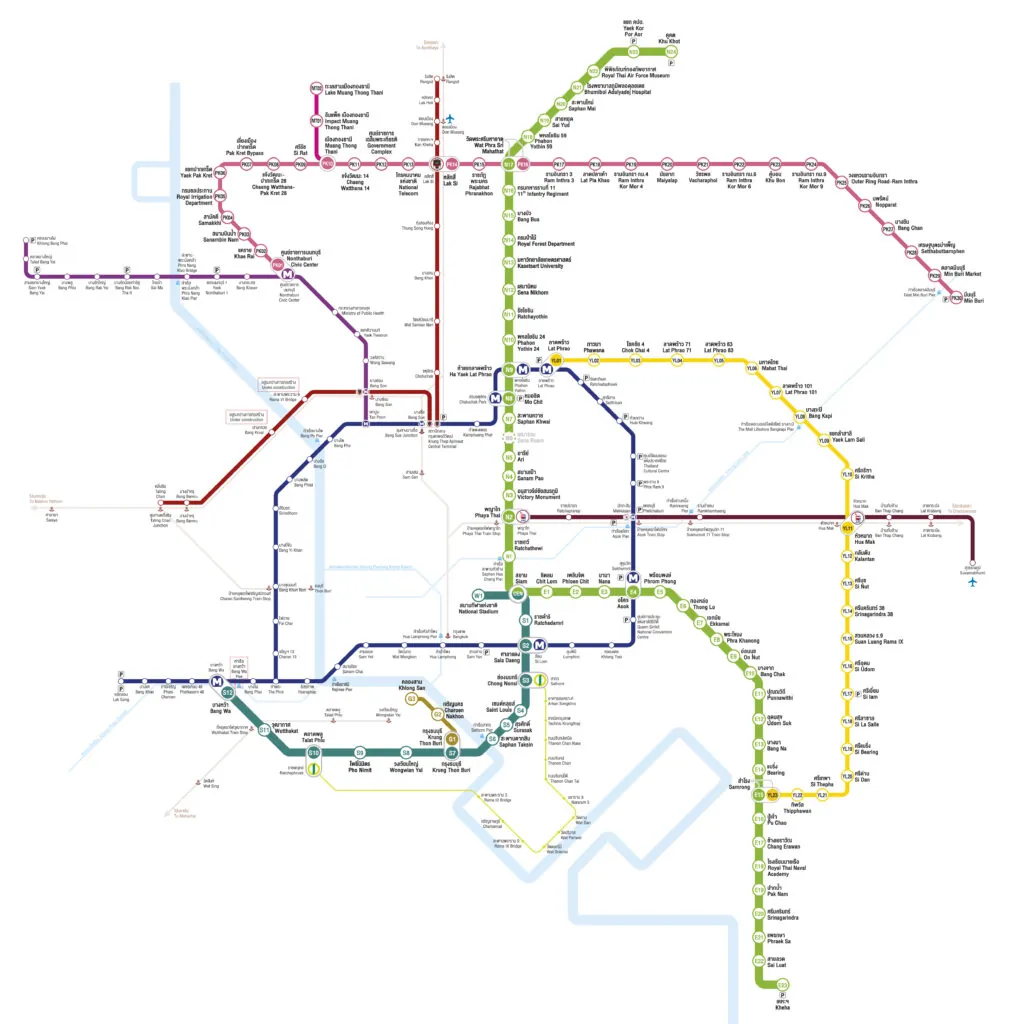
Bangkok’s public rail system mainly revolves around two core networks: the BTS Skytrain and the MRT Bangkok.
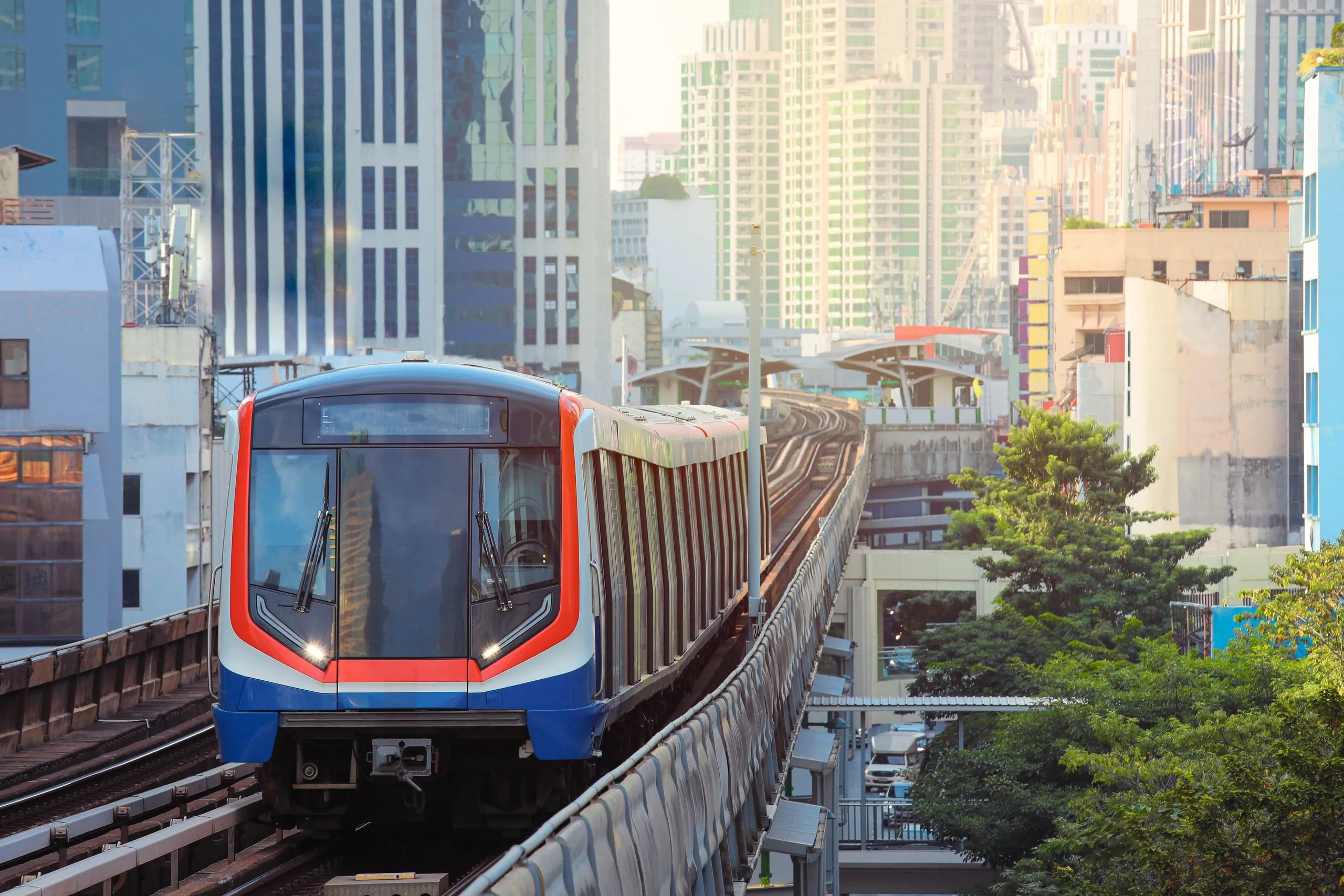
The BTS Skytrain is the elevated train system that glides above Bangkok’s streets and business districts. It is usually the line tourists use the most because it connects many of the city’s shopping and lifestyle hotspots. The stations are modern, and easy to navigate even if you do not speak Thai.
The MRT, on the other hand, functions more like a subway system and covers additional areas including cultural districts, local neighborhoods, and parts of the old city. Together, BTS and MRT create the backbone of Bangkok transportation.
Then there is the Airport Rail Link, which directly connects Suvarnabhumi Airport to the city. For many travelers, this becomes their first experience using Bangkok’s trains after landing in Thailand.
What surprises many tourists is how modern the entire system feels. Stations are clean, signs are written in both Thai and English, and maps are relatively intuitive. Once you ride it once or twice, the system starts feeling less intimidating and more like second nature.
What Card or Ticket Do You Need?
One of the biggest questions tourists ask is whether they need a special transportation card before arriving in Bangkok. The answer is both yes and no.
If you are only visiting for a few days, single journey tickets work perfectly fine. At every station, there are ticket machines where you can choose your destination and pay based on distance traveled. Most machines support English language settings, making the process fairly straightforward.
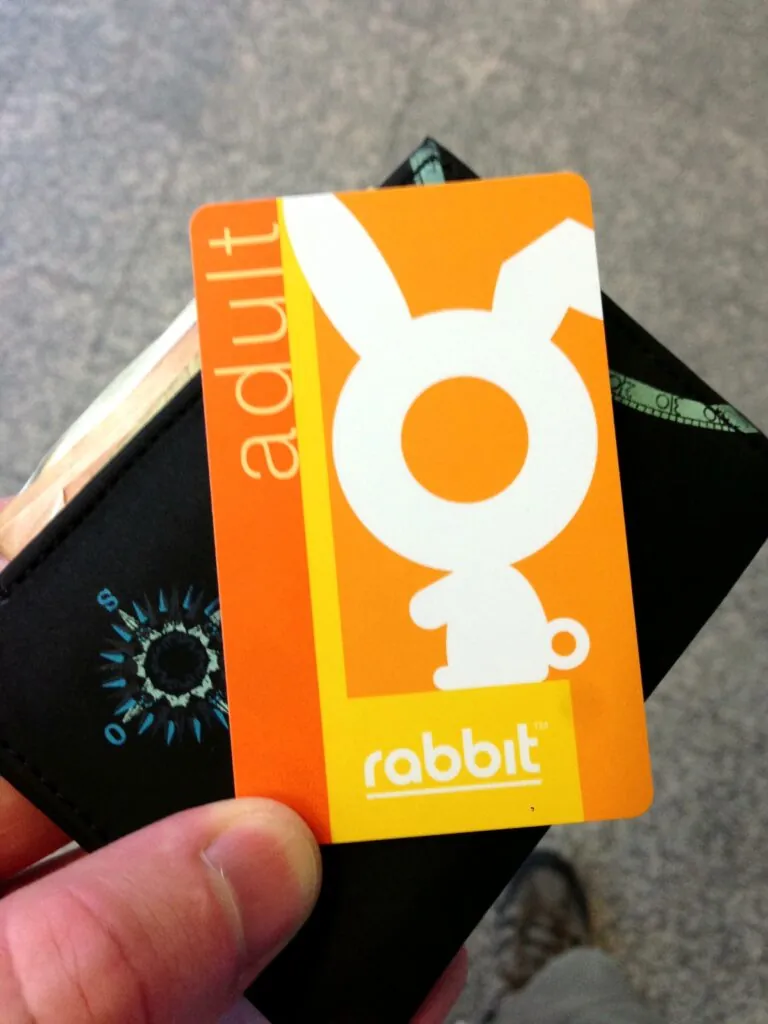
However, if you plan on using trains regularly during your stay, getting a stored value card makes life much easier. For the BTS, tourists commonly use the Rabbit Card, which works similarly to transit cards in cities like Tokyo or Singapore. Instead of buying a new ticket every ride, you simply tap in and out of the gates.
The MRT has its own payment system, though contactless bank cards and QR payments are becoming increasingly common across Bangkok transit. All of MRT, SRTET, ARL stations allow tourists to use Visa or Mastercard or Europay tap payments directly at the gates, which feels surprisingly futuristic compared to older transit systems in other countries.
The easiest mindset is this: if you are staying in Bangkok for more than three or four days, getting a reloadable card on BTS and credit card for every other systems saves time and removes the stress of constantly buying tickets.
How to Actually Ride the Train
Using the train system in Bangkok is honestly easier than surviving the city’s traffic crossings.
Once you arrive at a station, you first look for the direction of your destination. Every platform clearly states the terminal station of that line, so as long as you know the final stop direction, you are usually safe. After tapping your card or ticket at the gate, you simply head to the platform and wait behind the marked safety lines.
Inside the trains, the atmosphere is usually calm and organized. Bangkok commuters tend to keep to themselves, especially during morning work hours. Air conditioning is strong enough to feel like emotional recovery after walking outside in Thailand’s heat for ten minutes.
One thing tourists quickly notice is how connected Bangkok feels through the train system. You can go from luxury shopping malls to local food streets within a few stations. One moment you are standing inside a futuristic mall in Siam, andfifteen minutes later you are eating street food near Chinatown.
Where Tourists Can Easily Go by Train
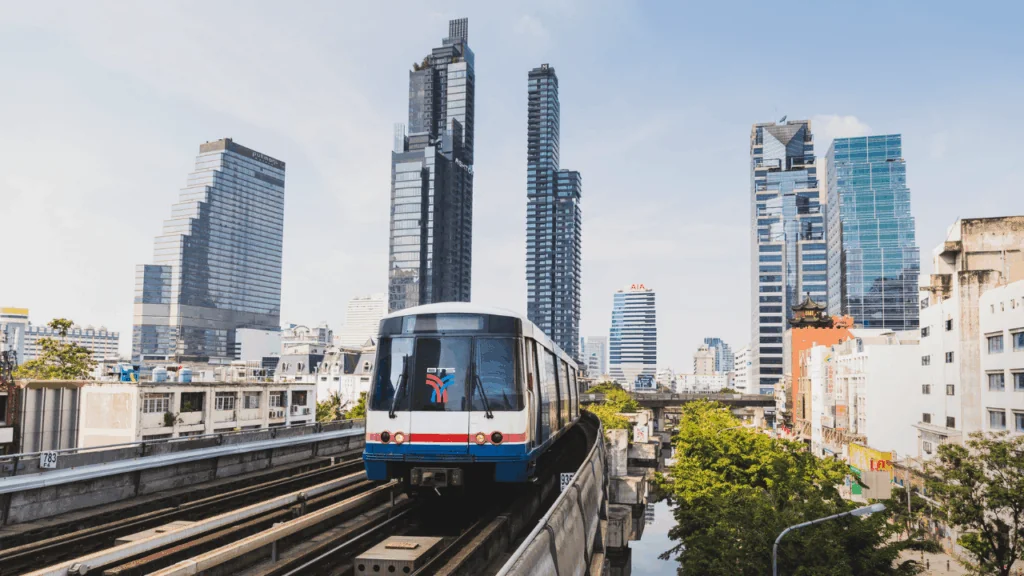
The beauty of Bangkok’s rail network is how many major attractions sit almost directly outside station exits.
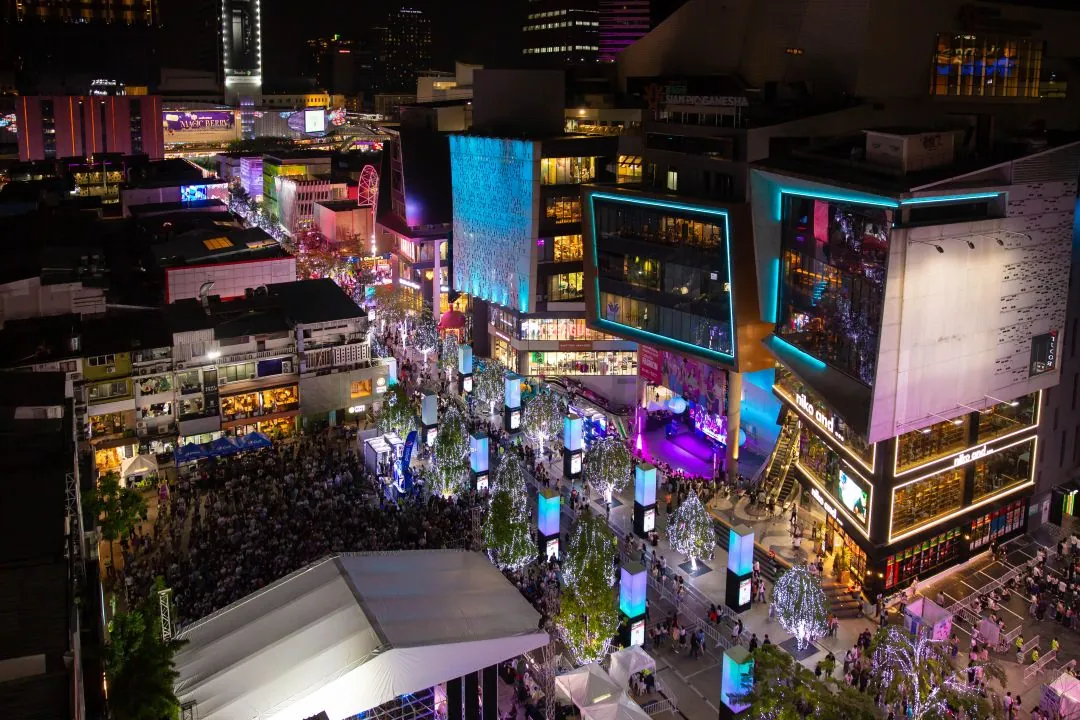
The Siam area, accessible through BTS Siam Station, feels like the center of Bangkok’s modern shopping universe. Malls like Siam Paragon, CentralWorld, and MBK Center are all connected through walkways and skybridges. For tourists, it becomes dangerously easy to spend an entire day there without realizing how much time has passed.
Further along the BTS line, stations like Asok connect visitors to Bangkok’s nightlife, rooftop bars, and the massive Terminal 21 Asok shopping mall. Meanwhile, the MRT makes it easy to reach areas like Chinatown, where stations near Yaowarat open into streets packed with seafood restaurants, old Chinese pharmacies, and glowing neon signs that feel straight out of a movie set.
The train system also gives tourists easy access to green spaces such as Lumphini Park ,Benjakitti Park, Chatuchak Park, and Benjasiri Park, all are perfect for escaping Bangkok’s intensity for a few hours.
For riverside attractions, tourists can use the BTS to Saphan Taksin Station before connecting to river boats that travel toward landmarks like ICONSIAM and historic temples along the Chao Phraya River.
Why Bangkok’s Train System Feels Different
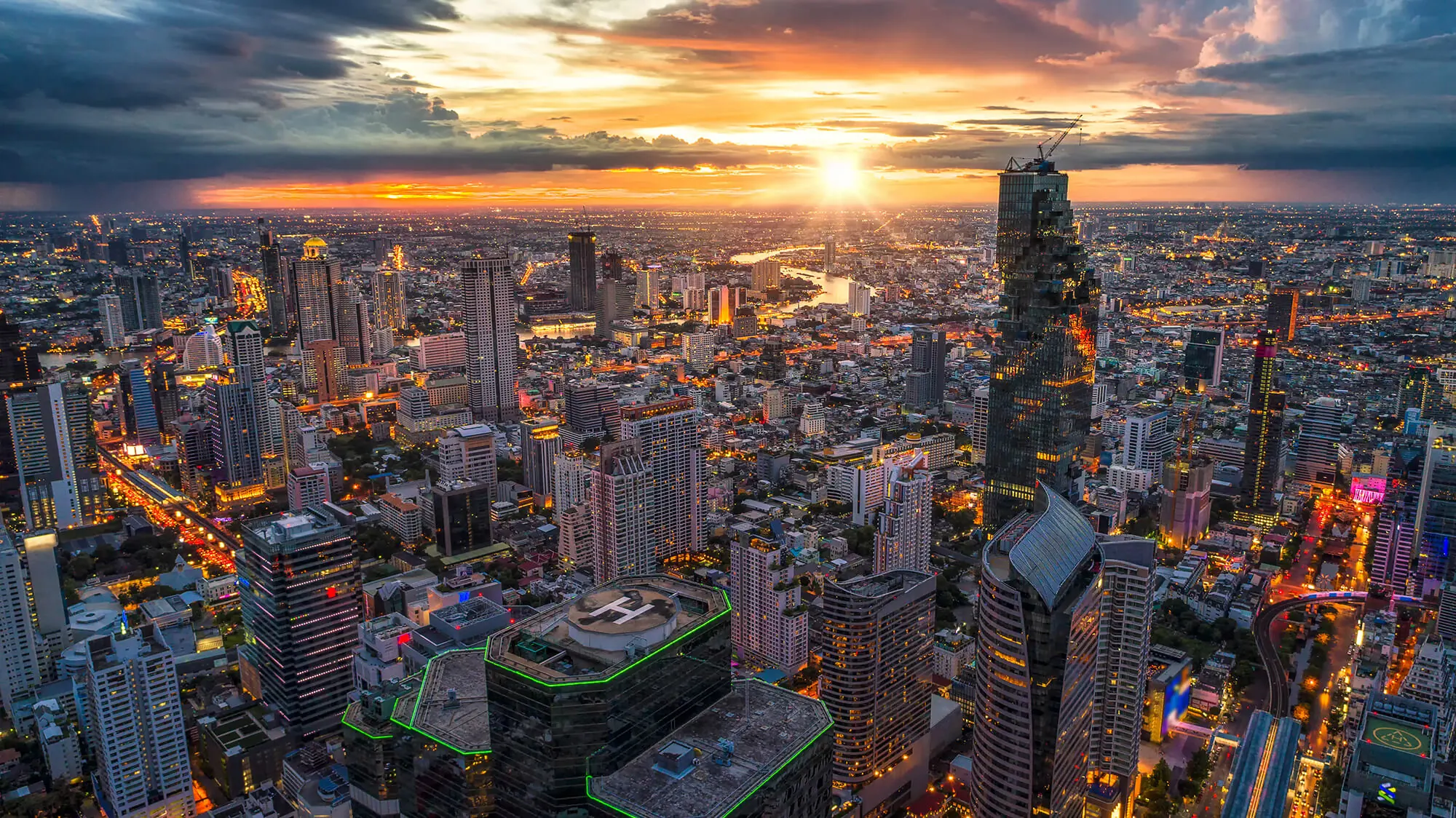
What makes Bangkok’s train system memorable is not only efficiency but the contrast it creates with the city itself. Bangkok can feel chaotic, loud, humid, and endlessly energetic. Then suddenly you step into a station and everything becomes cold, organized, and strangely peaceful for a few minutes before diving back into the city again.
For Gen Z travelers especially, the train system becomes part of the Bangkok experience itself. The elevated tracks cut through skyscrapers, stations connect directly into giant malls, and nearly every route feels like a transition between completely different versions of the city. It is urban exploration without the exhaustion of fighting traffic all day.
And honestly, there is something satisfying about watching cars sit motionless below while your train casually glides over the gridlock.
FAQ
Is Bangkok’s train system tourist friendly?
Yes. Stations have English signage, route maps are easy to understand, and ticket machines usually offer English language options.
Should tourists buy a Rabbit Card?
If you are staying several days and plan to use the BTS frequently, it is definitely more convenient than buying single tickets every trip.
Can I use credit cards on Bangkok trains?
Some MRT and newer systems support contactless card payments, though it is still useful to carry cash or a transit card for flexibility.
What is the easiest train line for tourists?
The BTS Skytrain is generally the easiest and most useful for tourists because it connects major shopping, hotel, and nightlife districts.
Is it better than taking taxis?
During rush hour, absolutely. Bangkok traffic can become extremely slow, while trains remain consistent and fast throughout the day.