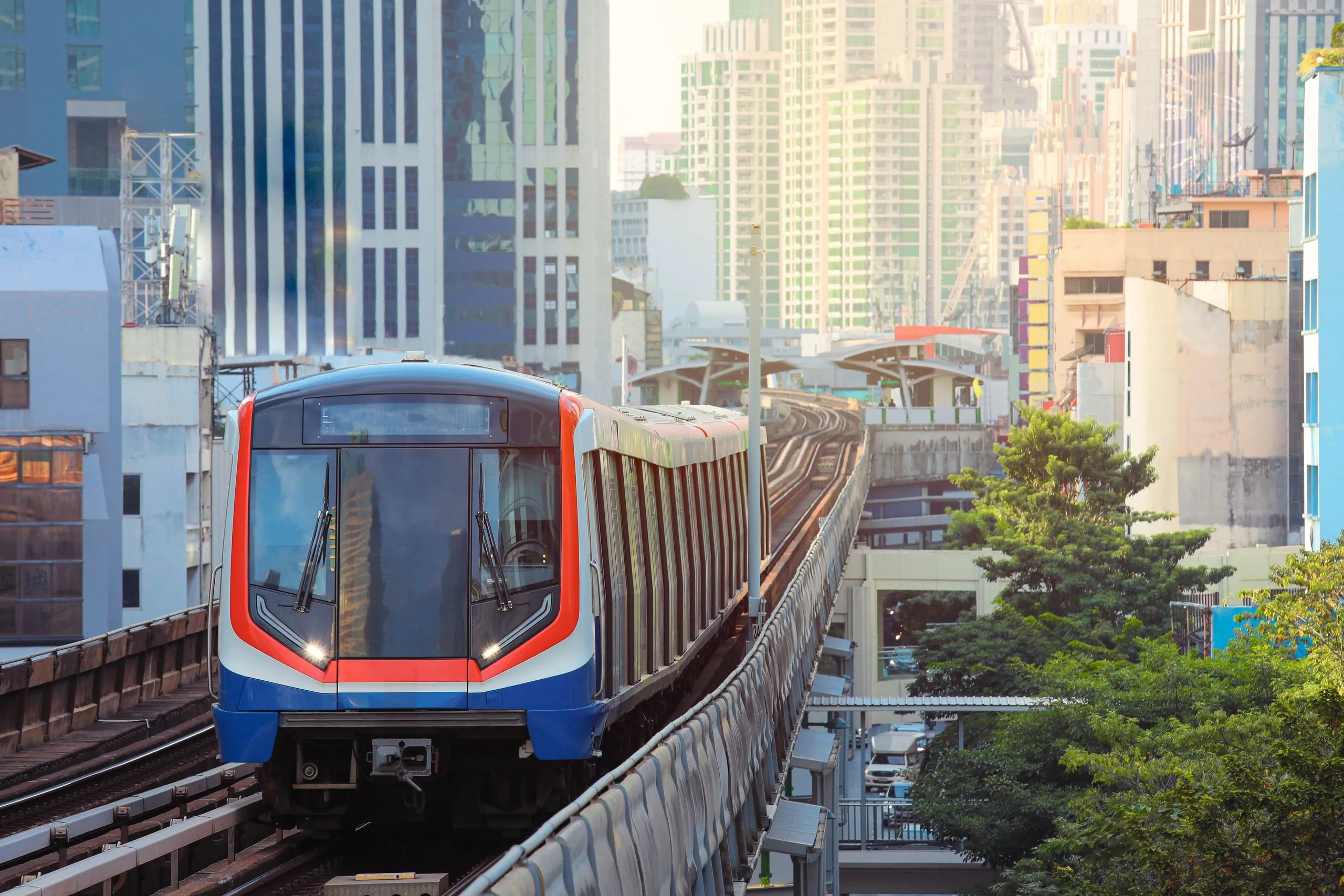
Getting around Thailand used to be one of those travel experiences where chaos was simply part of the adventure. You waved down taxis hoping the meter would be used, negotiated prices with tuk tuks while sweating under Bangkok heat, and occasionally found yourself questioning whether your driver actually understood the destination at all. Then ride hailing apps arrived and completely changed the game.
Today, Thailand has become one of Southeast Asia’s easiest countries to navigate digitally. Apps like Grab, Bolt, LINE MAN, inDrive, and MuvMi have transformed transportation into something far more convenient, transparent, and tourist friendly. For international travelers, these apps are not just about convenience but also one of the easiest ways to avoid common transport scams while exploring Thailand.
Thailand’s Ride Hailing Era
Thailand’s cities move fast. Bangkok especially can feel like a beautiful collision between organized infrastructure and complete unpredictability. One second you are inside a luxury mall connected to a futuristic train station, and the next you are standing beside a neon lit street with twenty tuk tuks trying to offer you a ride.
That contrast is part of Thailand’s charm, but it can also overwhelm first time visitors. Ride hailing apps became popular because they removed a lot of that uncertainty.
Instead of negotiating prices on the street or worrying about whether a taxi meter will mysteriously “not work today,” tourists can now simply open an app, enter a destination, and instantly see the estimated fare before the ride even begins. It feels less stressful, more transparent, and honestly much more aligned with how Gen Z travelers already navigate the world through smartphones.
The rise of these apps also reflects how digital Thailand has become. Mobile payments, QR codes, food delivery, and transportation now blend seamlessly together, especially in Bangkok where nearly everything can be ordered through an app.
The Main Ride Hailing Apps in Thailand
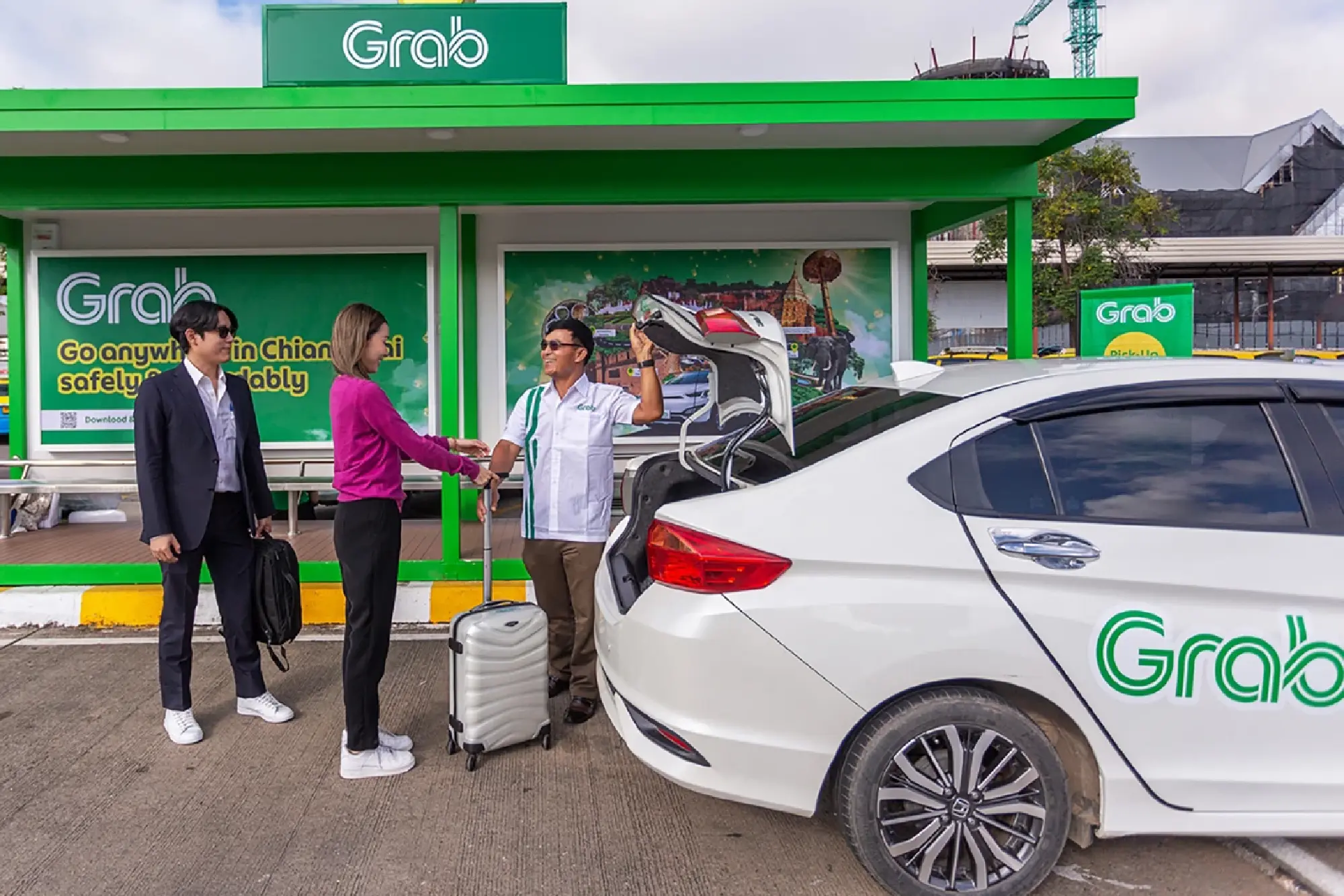
The biggest and most widely used platform is Grab, which has essentially become Thailand’s all in one lifestyle super app. Beyond just transportation, tourists can use it for food delivery, package services, grocery shopping, and even booking airport rides. In many ways, Grab functions as a digital survival tool for travelers.
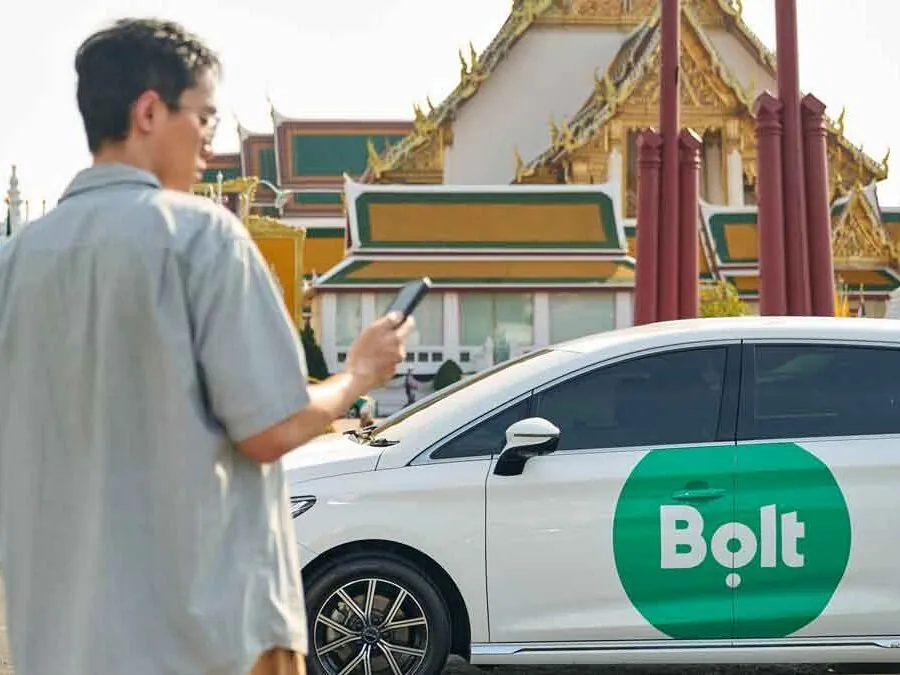
Bolt has also become increasingly popular because of its lower pricing. Many locals and tourists compare both apps before booking a ride, especially during busy hours when prices fluctuate. Bolt is often considered the cheaper option, though availability may vary depending on the area and time of day.
Meanwhile, LINE MAN connects directly with Thailand’s massively popular LINE messaging ecosystem. Although originally known more for delivery services, it has expanded into transportation and daily convenience functions that locals use heavily.
Then there is inDrive, which introduces a slightly different mechanic by allowing passengers and drivers to negotiate fares within the app itself. It creates a more flexible system that some travelers enjoy, especially for longer rides.
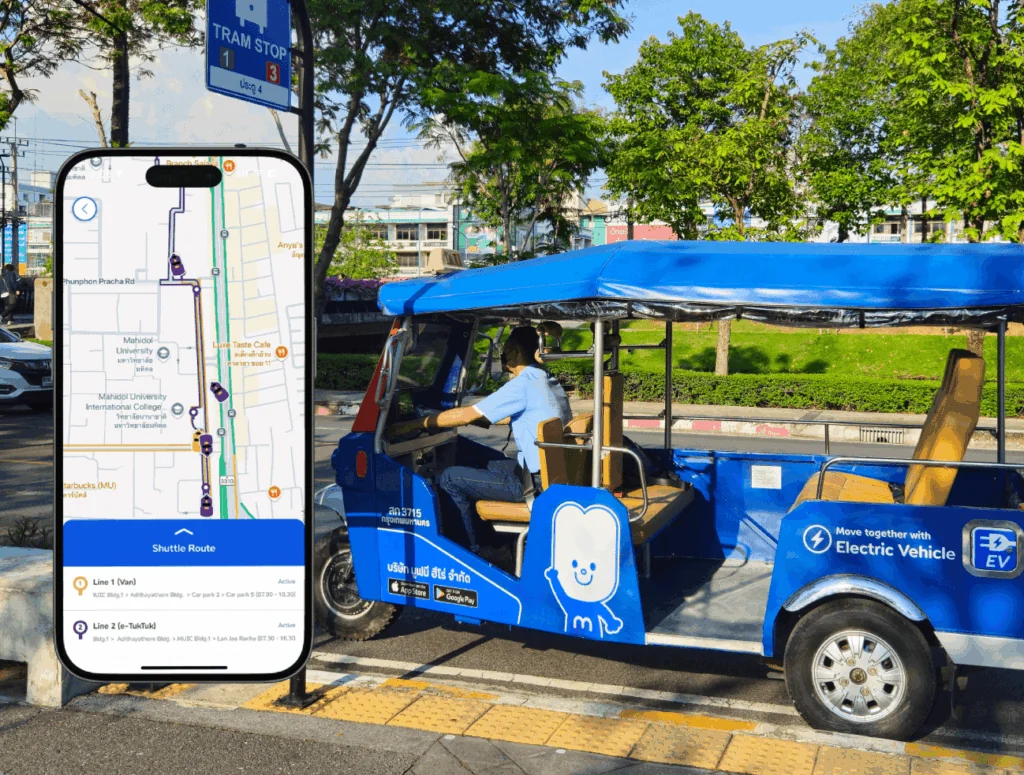
And then there is MuvMi, which feels almost uniquely Bangkok. Instead of standard cars or motorcycles, MuvMi operates electric tuk tuks that can be booked directly through the app. It keeps the charm and open air feeling of Thailand’s iconic tuk tuk culture while modernizing the experience with transparent pricing and digital booking.
For many tourists, MuvMi becomes the perfect middle ground between cultural experience and convenience. Traditional tuk tuks can sometimes involve aggressive bargaining or inflated tourist pricing, but MuvMi removes most of that friction. You still get the fun of weaving through Bangkok streets in an open sided vehicle, just without the awkward negotiation under 35 degree weather.
Together, these apps have created a transportation ecosystem where tourists have multiple choices depending on budget, convenience, and the type of experience they want.
Why Ride Hailing Apps Matter for Tourists
One of the biggest benefits for travelers is simply removing uncertainty.
Traditional taxi scams in Thailand usually involve situations where drivers refuse to use the meter, overcharge tourists, or claim destinations are “closed” in order to redirect passengers elsewhere. While many taxi drivers in Thailand are completely honest, these situations still happen often enough that tourists become cautious.
Ride hailing apps reduce most of these risks because prices are calculated digitally before the ride starts. You know the estimated fare, the driver’s name, the vehicle registration, and the route being used. There is less room for confusion and far less pressure to negotiate prices in the middle of a busy street.
The apps also help solve language barriers. Instead of trying to pronounce complicated Thai street names to a driver, tourists can simply pin the destination directly inside the app. This becomes especially useful in Bangkok, where many locations have long or difficult names for non Thai speakers.
Another underrated feature is route tracking. Friends can follow rides in real time, screenshots can easily be taken, and support systems exist within the apps if problems occur. For solo travelers especially, this creates a stronger sense of safety compared to randomly hailing transport late at night.
The Motorcycle Taxi Experience
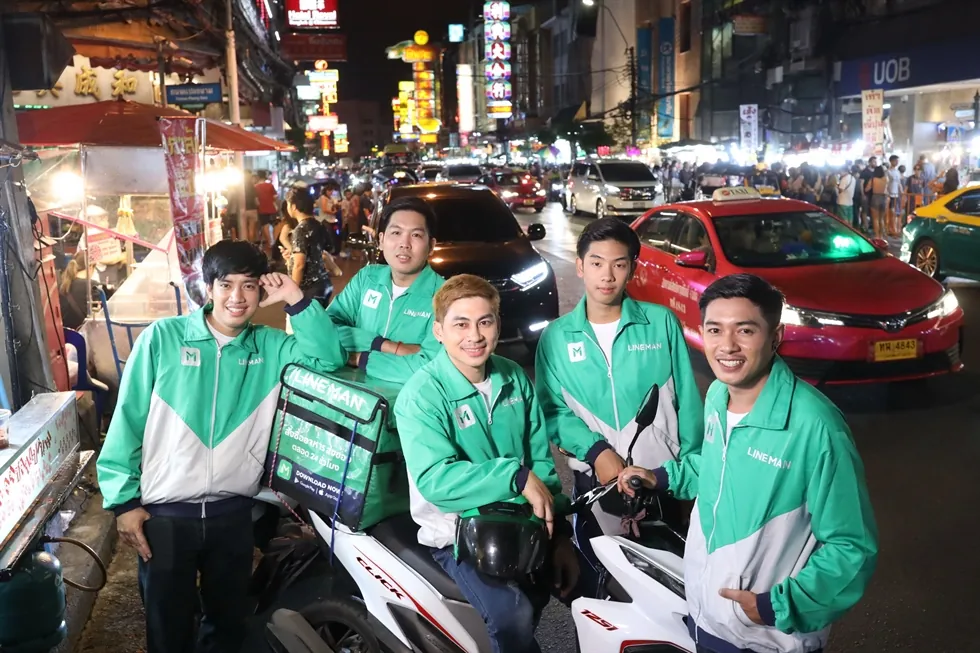
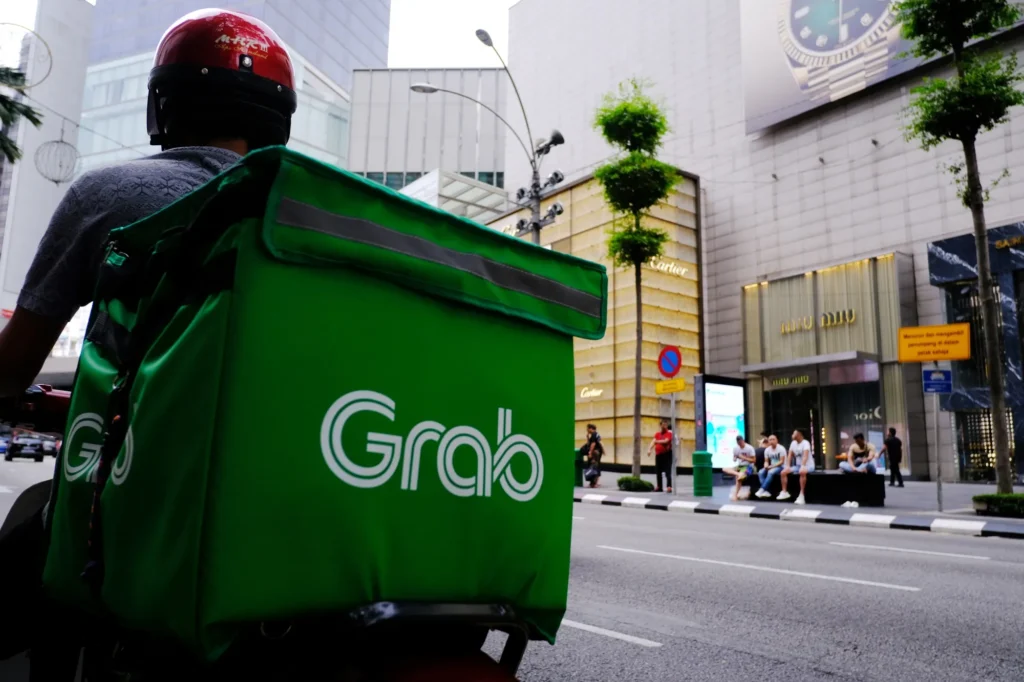
One of the most iconic ride hailing experiences in Thailand is booking motorcycle taxis through apps like Grab or Bolt. For first time visitors, this can feel slightly terrifying and strangely exhilarating at the same time.
Bangkok traffic is famously intense, and motorcycle taxis weave through congestion with almost supernatural efficiency. A thirty minute car ride can suddenly become a ten minute motorcycle trip. During rush hour, locals treat motorcycle taxis almost like a transportation cheat code.
For Gen Z travelers, it also becomes part of the Bangkok experience itself. Flying through neon lit streets at night while passing endless traffic somehow feels cinematic, even if your life flashes before your eyes a little at every sharp turn.
Thankfully, app based motorcycle rides still include the same transparency benefits as car bookings, including pricing, route visibility, and driver information.
More Than Just Transportation
What makes Thailand’s ride hailing ecosystem particularly useful is how integrated it becomes with travel itself. Tourists often start by using Grab for airport rides, then continue using it for food delivery after a long day exploring the city.
Late night craving for mango sticky rice? App. Forgot sunscreen before heading to Chatuchak? App. Need transport back to the hotel after rooftop drinks? Also app.
MuvMi adds another layer to this ecosystem by turning short distance city rides into part transportation and part experience. Riding through Bangkok’s smaller streets in an electric tuk tuk somehow makes the city feel more alive and more personal compared to sitting inside a regular car.
This level of convenience changes how tourists experience Thailand. The country still feels exciting and chaotic in the best ways, but the stress level becomes significantly lower when transportation and logistics can be managed directly from a smartphone.
FAQ
What is the most popular ride hailing app in Thailand?
Grab remains the largest and most commonly used platform across Thailand, especially in Bangkok and major tourist cities.
Is Bolt cheaper than Grab?
Often yes. Many users compare prices between both apps before booking because Bolt can sometimes offer lower fares.
What is MuvMi?
MuvMi is an app based electric tuk tuk service operating mainly in Bangkok. It offers fixed pricing and app booking, making tuk tuk rides more convenient and tourist friendly.
Do ride hailing apps help avoid scams?
They significantly reduce the risk of transport scams because pricing, routes, and driver details are visible before the trip begins.
Are motorcycle taxis safe?
They are widely used in Thailand and extremely efficient in traffic, though they can feel intense for first time visitors. Wearing the provided helmet is strongly recommended.
Do these apps work outside Bangkok?
Yes. Major tourist destinations like Chiang Mai, Phuket, Pattaya, and other large cities also support ride hailing services, though availability may vary depending on the area.