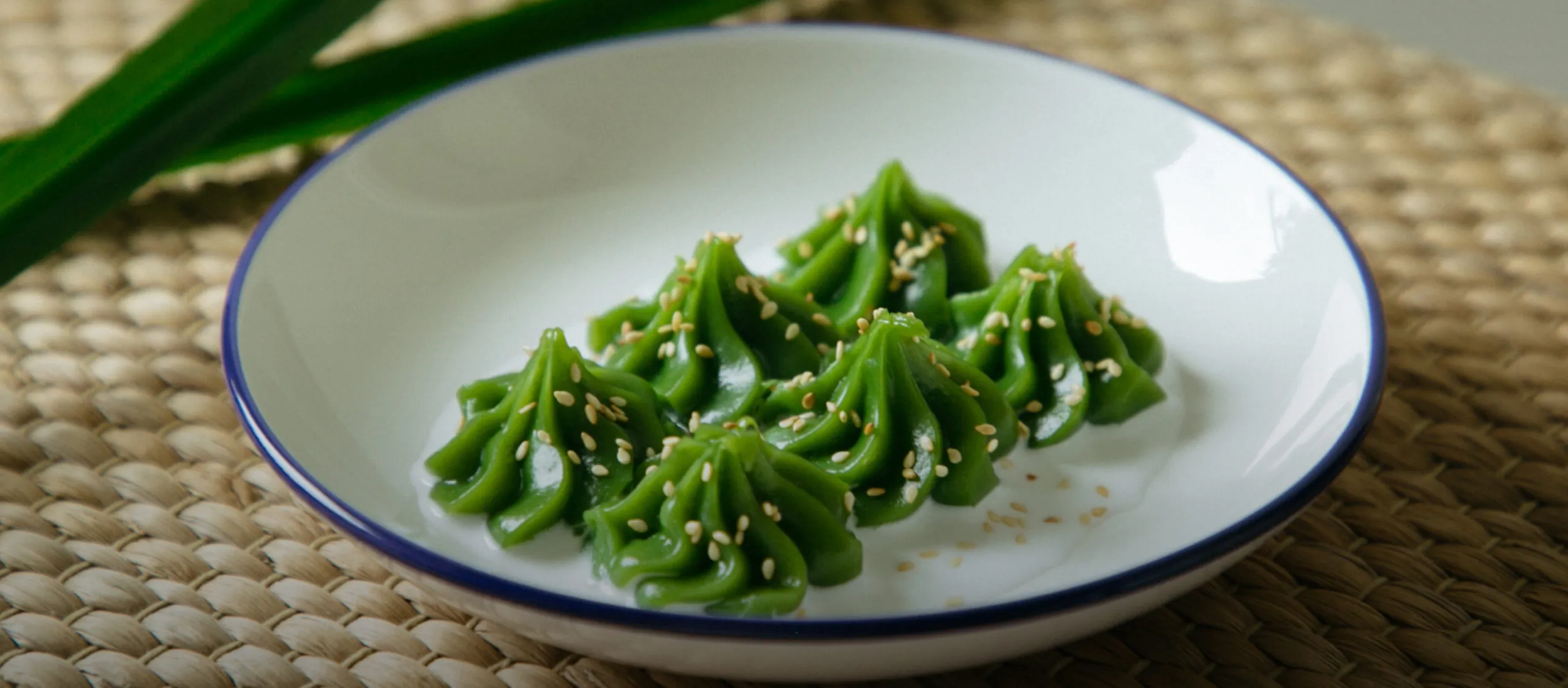
If you think Thai desserts are just mango sticky rice… we need to talk. The real stuff? It’s hiding in neighborhood streets, old-school shops, and places locals have been gatekeeping for years. We’re talking smoky, coconut-y, not-too-sweet, sometimes weird-looking but insanely good kinds of desserts. So ditch the tourist checklist—we’re going straight to the spots people who actually live here crave. Ready to eat like a local?
Traditional Markets Where Desserts Shine
Local markets remain the heart of Thai dessert culture. One of the best places to explore is Or Tor Kor Market, known for its high-quality ingredients and beautifully prepared sweets. Here you will find classics like kanom krok coconut pancakes, khao tom mud banana sticky rice, and seasonal fruit-based desserts made fresh each morning.
Another essential stop is Bang Nam Phueng Floating Market, just outside central Bangkok. Vendors here specialize in traditional recipes rarely found in tourist zones, including kanom chan layered coconut cake and tako pandan custard cups. The slower pace allows you to observe how desserts are prepared and served.
Old Neighborhoods and Canal Communities
Some of Bangkok’s best desserts are found in historic communities along canals. Khlong Bang Luang is a standout example. Small family-run stalls sell handmade sweets such as kanom tuay coconut custard and kanom fak bua lotus seed desserts, often following recipes passed down for generations.
These neighborhoods offer more than food. They provide context. Sitting by the canal with a small dessert and iced tea reveals how closely Thai sweets are tied to everyday life rather than commercial trends.
Iconic Thai Dessert Shops
For travelers who want reliable quality without hunting through markets, traditional dessert shops are an excellent option. Mae Varee Mango Sticky Rice is famous for its mango sticky rice, especially during mango season. The balance of ripe fruit, coconut cream, and warm rice reflects the precision of Thai dessert making.
Another respected name is Baan Kanom Thai, which focuses on classic royal Thai desserts like thong yip, thong yod, and foi thong. These sweets are closely linked to Thai history and ceremonies, and their careful presentation reflects their cultural importance.
Temple Fairs and Local Festivals
Some of the most authentic Thai desserts appear during temple fairs and community festivals. Events around temples such as Wat Saket often feature vendors selling desserts that are rarely seen elsewhere. Items like kanom sai sai coconut dumplings or charcoal-grilled sticky rice sweets are prepared on the spot and meant to be eaten fresh.
Timing matters. Visiting Bangkok during festival periods offers a chance to try seasonal desserts that are deeply tied to religious and cultural celebrations.
How Locals Choose Thai Desserts
Locals rarely buy Thai desserts in large portions. Instead, they sample several small pieces, choosing based on freshness and aroma rather than appearance alone. Asking which items were made that day is common and welcomed.
Thai desserts are often eaten in the afternoon or early evening with tea or coffee. They are meant to be light, fragrant, and satisfying without feeling heavy.
FAQs
Are Thai desserts very sweet?
They are usually mildly sweet, with coconut milk and palm sugar creating balance rather than intense sweetness.
Are these desserts safe for tourists to try?
Yes. Stick to busy stalls and freshly made items, especially in markets.
What ingredients should I look for?
Coconut milk, pandan, sticky rice, palm sugar, mung beans, and tropical fruits are key components.
Can I find Thai desserts year-round?
Most classics are available year-round, while some appear only during specific seasons or festivals.