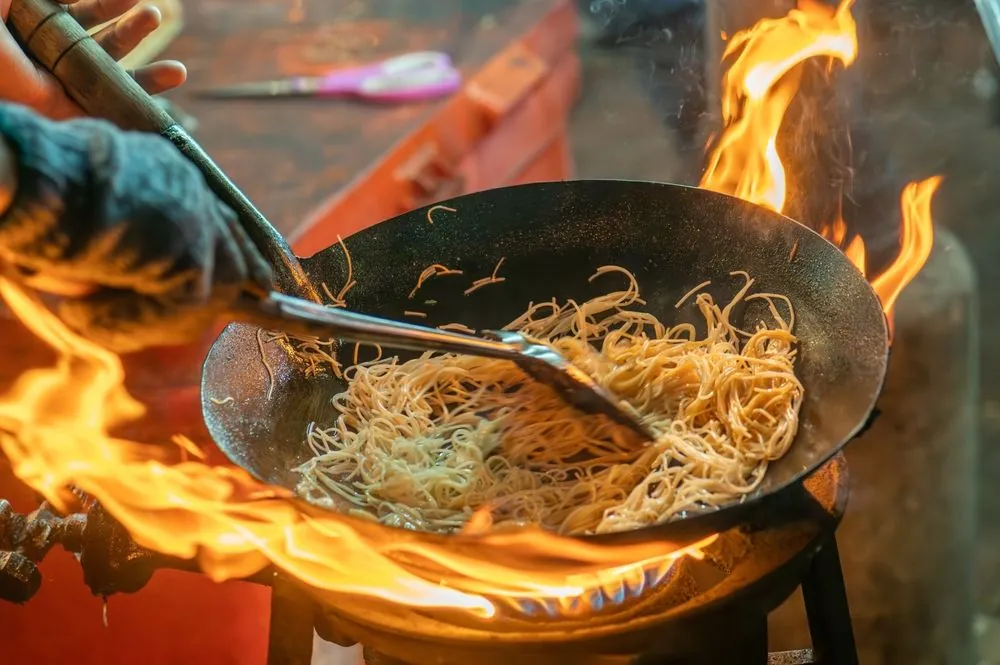
Bangkok street food is one of the biggest reasons people fall in love with the city. It’s chaotic, flavorful, and ridiculously affordable. But for first-time visitors, there’s always that one question sitting in the back of their mind: is this actually safe to eat?
The truth is, not all street food is equal. There’s an unspoken “tier system” that locals instinctively understand. Once you know how to read it, you can confidently find meals that are both clean enough and insanely delicious, without overpaying for tourist traps. This is your guide to navigating that system like you’ve been here before.

Bangkok Street Food Isn’t Random — It’s Layered
At first glance, Bangkok’s street food may appear chaotic, with vendors lining sidewalks, alleys, and busy roads. In reality, there is structure behind the apparent disorder. Some stalls cater almost exclusively to locals and operate with minimal setup, while others are more organized, serving large volumes of customers with consistent processes. Understanding these layers is essential. It is not about avoiding street food, but about knowing where within the spectrum you are choosing to eat.
Tier 1: The Local Hardcore Stalls

At the most traditional end of the spectrum are the small roadside carts and alleyway stalls. These are often deeply local operations with decades of history behind them. The flavors can be outstanding, sometimes representing recipes that have not changed for generations. However, cleanliness standards can vary significantly. You may notice limited handwashing facilities, ingredients left exposed for longer periods, and less separation between raw and cooked items. Locals trust these stalls because they are familiar with them, but for visitors, this tier requires more caution. It is best approached once you have gained some experience navigating the scene.
Tier 2: The Sweet Spot — Clean Enough, Still Authentic

This is where most visitors should focus their attention. Stalls in this tier are typically located in high-traffic areas such as Yaowarat Chinatown Bangkok, where there is a constant flow of customers. The defining characteristic here is high turnover. Food is prepared continuously, meaning ingredients are fresh and rarely sit idle. You will also notice clearer signs of hygiene, such as vendors using utensils instead of bare hands, separating money handling from food preparation, and maintaining a more organized cooking space. This tier offers the ideal balance between authenticity, cleanliness, and affordability, making it the most reliable choice for tourists who want the full experience without unnecessary risk.
Tier 3: Street Food, But Elevated

At the more structured end of the spectrum are curated food markets and organized street food zones. These environments bring multiple vendors together under more controlled conditions, often with designated seating areas, improved waste management, and clearer hygiene practices. While prices may be slightly higher than traditional street stalls, they remain accessible and offer a more comfortable entry point into Bangkok’s food culture. This tier is particularly suitable for those who prioritize cleanliness or prefer a more relaxed dining setup while still enjoying local dishes.
How to Identify a Good Street Food Stall
In the absence of formal ratings or signage, observation becomes your most important tool. The most reliable indicator of a quality stall is a steady crowd of customers, especially locals. A continuous queue suggests that the food is trusted, turnover is high, and ingredients are being used at their freshest. Additional signs include food being cooked to order, ingredients that appear replenished rather than stagnant, and vendors who operate with confidence and consistency. On the other hand, stalls that remain empty during peak hours often signal underlying issues.
The Price Myth: Cheap Doesn’t Mean Risky
A common misconception among visitors is that lower prices correlate with lower safety or quality. In Bangkok, pricing is influenced more by location and operating costs than by hygiene standards. Some of the most respected street food vendors charge very little because they have low overhead and high volume. The key factor is not price, but how efficiently a stall operates and how quickly it cycles through its ingredients.
FAQ
Is Bangkok street food safe for tourists?
Yes, as long as you choose stalls with high turnover and visible cooking practices. Busy vendors preparing food fresh are generally the safest option.
What street food should I try first?
Dishes such as pad thai, grilled pork skewers, mango sticky rice, and boat noodles are widely available and typically prepared fresh, making them good starting points.
Should I avoid ice or drinks from street vendors?
Ice in Bangkok is usually factory-produced and safe to consume, but if you are unsure, bottled drinks are a safe alternative.
Is it okay to eat street food every day?
Many locals do so regularly. It is advisable to vary your choices and continue selecting stalls that demonstrate good hygiene practices.
What is the best time to explore street food?
Evenings are generally the best time, particularly in busy areas like Yaowarat, where vendors operate at peak freshness and variety.